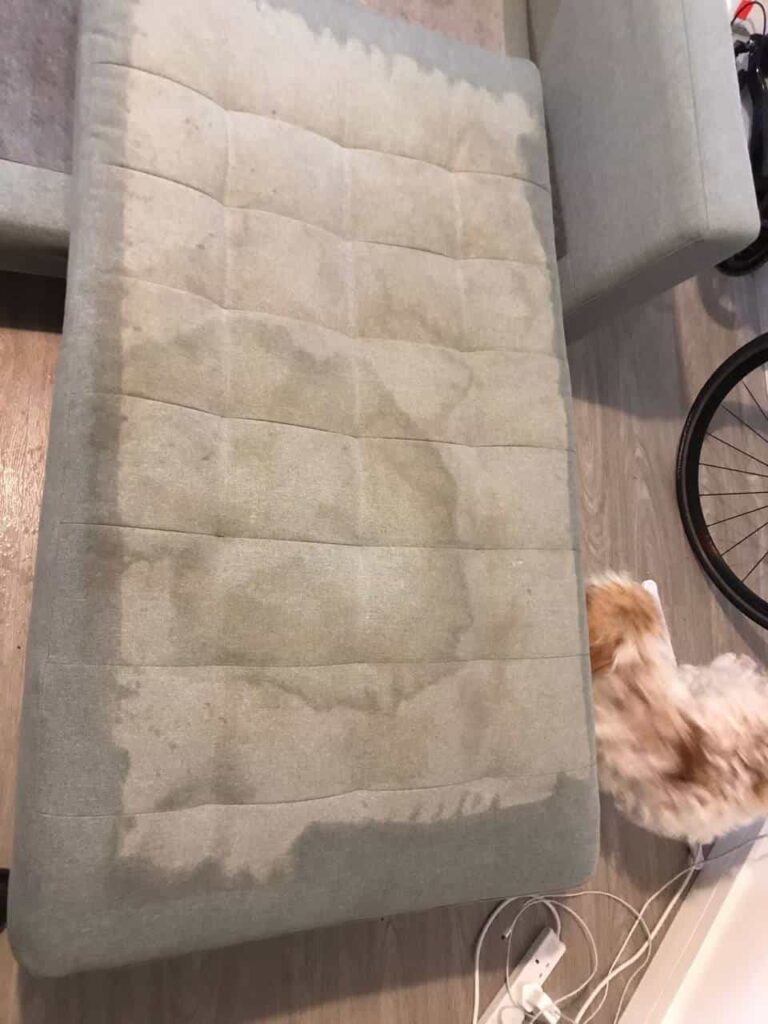
Moving out of a rented property involves more than packing belongings and handing back the keys. Leaving the property clean and well presented can help make the handover smoother and reduce the likelihood of disagreements about its condition. Carpets deserve particular attention because they can retain dust, odours, pet hair and stains that are not always removed through routine vacuuming.
For tenants preparing to move out in Chigwell, Essex, a clear end of tenancy cleaning checklist can help ensure important areas are not overlooked. Understanding which tasks you can manage yourself and when professional carpet cleaning may be beneficial can also help you prepare the property more effectively.
What Is End of Tenancy Cleaning?
End of tenancy cleaning is a thorough clean carried out before a tenant leaves a rented property. It typically involves cleaning kitchens, bathrooms, floors, surfaces and other areas that may have accumulated dirt during the tenancy.
The exact requirements can vary depending on the property’s condition, the tenancy arrangements and any agreed cleaning expectations. Reviewing the inventory or check-in report can help you identify areas that need particular attention.
Carpets are often a key part of this process. Everyday foot traffic can gradually push dirt into carpet fibres, while spills, food particles and pet-related marks may leave visible stains or lingering odours. A carpet that looks reasonably clean at first glance may still need more attention before the property is handed back.
End of Tenancy Cleaning Checklist for Tenants
Working through the property systematically makes it easier to spot missed areas and complete the cleaning before moving day.
1. Clean All Rooms Thoroughly
Start by removing personal belongings, rubbish and unwanted items. Once rooms are empty, clean surfaces that were previously covered by furniture and belongings.
Your checklist should include:
- Dusting shelves, skirting boards, window sills and accessible fixtures.
- Wiping doors, handles and frequently touched surfaces.
- Cleaning internal windows where accessible.
- Removing cobwebs and visible dust.
- Vacuuming carpets and cleaning other floor surfaces appropriately.
Pay attention to corners, edges and areas behind furniture, as these can collect dust and debris throughout a tenancy.
2. Deep Clean the Kitchen
Kitchens often require additional attention because cooking can leave grease, food residue and unpleasant smells.
Clean worktops, cupboard fronts, splashbacks and the sink. Remove crumbs and debris from accessible areas, and clean appliances that are included in the property’s handover expectations. Check the floor for sticky patches and spills.
If the kitchen contains carpeted areas, which may be less common than hard flooring, make sure any cleaning method is suitable for the carpet material.
3. Give Bathrooms a Detailed Clean
Bathrooms can accumulate soap residue, limescale, dust and moisture-related marks. Clean the bath or shower, toilet, basin, taps, mirrors and other surfaces as appropriate.
Pay attention to floor edges and accessible corners where hair and dust can collect. Ensure surfaces are left clean and dry, and ventilate the room where possible to help reduce lingering moisture.
4. Inspect Carpets for Stains and Odours
Before moving furniture out, inspect the carpets carefully. Look for food and drink spills, muddy footprints, flattened areas, pet hair and marks around doorways or frequently used routes.
Vacuum thoroughly, moving furniture where practical and safe to do so. For fresh spills, blot the affected area with a clean cloth rather than rubbing, which can spread the stain or push it deeper into the fibres.
Avoid applying excessive water or untested cleaning products. Some carpet materials are sensitive to particular chemicals, and unsuitable methods can cause discolouration, shrinkage or damage.
5. Check Hallways, Stairs and High-Traffic Areas
Hallways, stairs and entrances often experience more foot traffic than other parts of a property. As a result, carpet fibres in these areas may contain embedded dirt and show visible darkening.
Vacuum these sections slowly and thoroughly, paying attention to edges and corners. If the carpet remains dull, stained or marked after vacuuming, professional cleaning may help remove more deeply embedded soil, depending on the carpet’s condition and fibre type.
6. Complete a Final Walk-Through
Once cleaning is finished, inspect each room in good lighting. Check behind doors, inside cupboards where cleaning is expected, around skirting boards and across all floor surfaces.
Compare the property’s condition with your check-in records where available. Taking clear photographs after cleaning can also help you keep a record of the condition in which you left the property.
When Should You Book Professional Carpet Cleaning?
Routine vacuuming is useful for removing loose dirt, but it cannot always extract soil that has accumulated deeper within carpet fibres. Professional carpet cleaning may be helpful when carpets have persistent stains, noticeable odours, heavy footfall marks or a generally dull appearance.
A professional cleaner can assess the carpet’s material and condition before selecting a suitable cleaning method. Depending on the fibres and level of soiling, this may help improve the carpet’s appearance and freshness before the final property inspection.
Booking in advance of moving day gives the carpet time to dry properly and helps avoid rushing other cleaning tasks around the appointment. Make sure the property is sufficiently cleared to allow access to the areas that need attention.
Chigwell Carpet Cleaning can help tenants in Chigwell, Essex, prepare carpets for the end of a tenancy with cleaning suited to their condition and material.
Common End of Tenancy Carpet Cleaning Mistakes to Avoid
One common mistake is leaving carpet cleaning until the last minute. This can make it difficult to arrange professional attention or allow enough drying time.
Another is trying to remove stubborn stains with excessive scrubbing or too much water. These methods can damage fibres, spread marks or leave residues that attract further dirt.
It is also easy to overlook carpets in bedrooms, stairways and less frequently used rooms. Inspect the entire property rather than focusing only on the areas that appear visibly dirty.
Finally, remember that cleaning requirements can vary. Check the expectations for your particular tenancy instead of assuming that every property requires the same level of cleaning.
Conclusion
A well-organised end of tenancy cleaning checklist helps tenants prepare each room, tackle kitchen and bathroom cleaning, and give carpets the attention they need before moving out. Vacuuming and treating minor spills can help, but persistent stains, embedded dirt and lingering odours may require professional care.
If you are preparing a rented property for handover in Chigwell, Essex, Chigwell Carpet Cleaning can help you assess your carpets and choose a suitable cleaning approach. Get in touch to discuss your requirements and arrange a professional carpet cleaning service before moving day.
Call us on: 0203 870 3081
Click here to find out more about Chigwell Carpet Cleaning
Click here to complete our contact form and see how we can help with your carpet needs.